Methods
Hot Water Extraction vs Steam Cleaning vs Shampooing
Steam cleaning and hot water extraction are two names for one method. Shampooing is not. What each does, and which one your warranty names.

Steam cleaning and hot water extraction are two names for the same method, and the carpet industry uses them interchangeably: Shaw's own care page writes it as "hot water extraction (steam cleaning)". Shampooing is a genuinely different process, and it is the one with the bad reputation. Mohawk requires hot water extraction every 18 months for warranty coverage, and names no alternative.
That covers the naming question. The more useful question is what each method physically does, and the answer comes down to one thing: how much of what goes into the carpet comes back out.
What is the actual difference between these methods?
Every carpet cleaning method does the same three jobs in some order. It loosens soil, it separates soil from fibre, and it removes soil from the building. Methods differ in how well they do the third one.
| Method | What it puts in | How soil leaves | Dry time | Reaches the backing |
|---|---|---|---|---|
| Hot water extraction | Hot water plus pre-spray, under pressure | Vacuum recovery in the same pass | 4 to 8 hours | Yes |
| Encapsulation | Low-moisture polymer solution | Crystallises, then vacuumed later | 1 to 2 hours | No |
| Bonnet cleaning | Solution on an absorbent pad | Absorbed into the pad | Under 1 hour | No |
| Shampooing | Foaming detergent | Wet vacuum, if the machine has one | 6 to 24 hours | Partially |
| Dry compound | Absorbent granules | Vacuumed out | Immediate | No |
Read the third column rather than the first. Hot water extraction is the only common method where removal happens in the same stroke as application, which is why it is the only one manufacturers class as restorative.
Why is hot water extraction the method warranties name?
Because the warranty is protecting against abrasion, and abrasion is caused by material sitting at the base of the pile.
The soil that damages carpet is the soil you cannot see
Grit that has worked its way down to the backing is angular and hard. Every footstep grinds it against the fibre. That is the mechanism carpet makers care about, because it is what turns a 15-year carpet into an 8-year carpet, and it is why the requirement is written as an interval rather than as "when it looks dirty."
Only extraction reaches that layer
Bonnet and dry-compound methods clean the top of the pile, which is what you see and photograph. They do not touch the bottom. Used as interval maintenance between deep cleans they are useful. Used instead of deep cleaning they leave the abrasive layer in place while making the carpet look fine.
The industry has a laboratory rating for this
The Carpet and Rug Institute Seal of Approval program puts deep-cleaning extractors through independent laboratory testing and scores three things: how much soil the machine removes, how much water it leaves behind, and whether it preserves the carpet's texture. Machines earn Bronze, Silver, Gold, or Platinum.
Notice that two of the three criteria are about recovery rather than cleaning power. The industry's own rubric treats getting things back out of the carpet as most of the job. Mohawk then requires that the equipment used on its carpet carries that seal.
Two of the three CRI test criteria measure what the machine takes back out. Soil removal, residual water removal, and texture retention. A machine can clean well and still fail, because leaving water and crushed pile behind is a failure. Method: read the CRI Seal of Approval program specification, 10 August 2026.
Why does shampooing have a bad reputation?
The reputation is deserved, but the usual explanation is wrong. The problem is not soap. Every method uses a cleaning agent, including extraction.
The problem is that shampoo is designed to foam, and foaming agents are difficult to rinse out. Pair that with a machine that has modest vacuum recovery and a large share of the detergent stays in the pile. When it dries it stays tacky, and tacky material grabs every particle that lands on it.
That is why a shampooed carpet often looks excellent for three weeks and then noticeably worse than it did originally. The room did not get dirtier. The carpet became adhesive.
Modern hot water extraction avoids this with a final acid rinse pass that neutralises the alkaline pre-spray and pulls it out with the soil. Skip that step and extraction produces exactly the same re-soiling problem, which is worth knowing when you are comparing quotes. The method matters less than whether the person running it finishes the sequence.
If your carpet came back sticky, crunchy, or dirty again within a month of its last cleaning, the residue is still in it and a normal clean will not fix it. That needs a rinse-focused restorative pass. Tell us that history when you call and we will treat it accordingly rather than repeating what did not work: see our carpet cleaning service or call (877) 514-6828.

When is a low-moisture method the right choice?
Low-moisture cleaning is not a lesser method. It is a different tool, and there are jobs where it is the correct one.
Buildings that cannot afford drying time
An office, clinic, or retail floor that opens at seven in the morning cannot have carpet drying overnight. Encapsulation gets the space walkable in about an hour, which is why it dominates commercial maintenance programmes. We cover how to build an interval around this in commercial carpet cleaning in Seattle.
Carpet glued directly to a slab
Carpet laid over concrete with no airflow underneath takes far longer to dry than carpet over a ventilated joist floor. In remodelled homes with slab-laid carpet we deliberately run lower moisture and set air movers, and sometimes a low-moisture method is simply the better call.
Appearance maintenance between deep cleans
A high-traffic entry or corridor can be brought back several times a year with a low-moisture pass, with a full extraction on the manufacturer's interval. That is a maintenance programme rather than a substitute.
What low-moisture cleaning cannot do is satisfy a warranty that names hot water extraction, or remove soil sitting in the backing. Use it for what it is good at.
Which method should you ask for in a Seattle home?
Hot water extraction, with two local qualifications.
Ask what happens about drying. Seattle records 156.2 days a year with measurable precipitation in the NOAA 1991 to 2020 climate normals for Seattle-Tacoma airport. The EPA advises that wet materials be dried within 24 to 48 hours to avoid mould growth. Those two facts together are why air movers should be part of the conversation here and not an upsell. The full drying maths is in how long carpet takes to dry in Seattle.
Ask about the fibre. Wool broadloom is common in the older Eastside and Mercer Island housing stock, and wool needs a wool-safe, lower-pH product. Mohawk's care guide warns against cleaners with "a pH of 10 or higher" and advises testing on a hidden area first. A technician who does not ask what the carpet is made of before mixing chemistry is guessing.
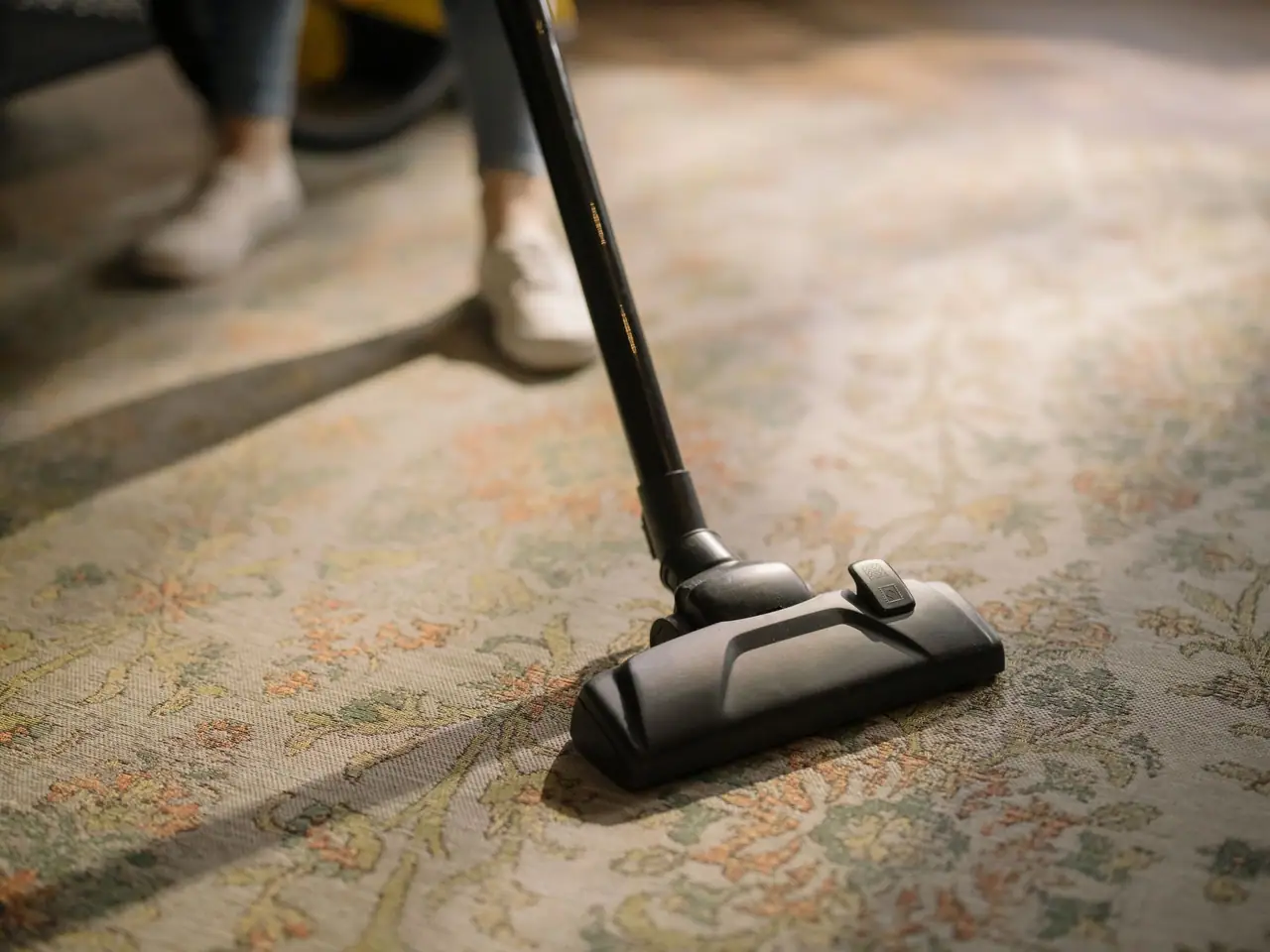
What to ask a company before booking
Four questions that separate method from marketing:
- Truck-mounted or portable? Both can do the job. Only one reliably gets a carpet dry in a Northwest winter.
- Do you finish with a neutralising rinse? If the answer is unclear, expect re-soiling regardless of the method name.
- Does the equipment carry the CRI Seal of Approval? Mohawk requires it, so this is a warranty question rather than a preference.
- What will the invoice say? For a warranty claim you need the method recorded, not just "carpet cleaning."
More on weighing the answers, including the pricing questions, is in how to choose a carpet cleaning company in Seattle.
Book the method your warranty names
You can now tell the difference between a method and a brand name for a method, and you know which one your carpet's paperwork requires. The first step takes five minutes: find the care document for your carpet and check which method and interval it names, because that decides what you should be buying.
If you want it handled, call (877) 514-6828. We run truck-mounted hot water extraction with a neutralising rinse on every job, we identify the fibre before we choose chemistry, and the invoice records the method. See pricing and coverage for carpet cleaning in Seattle or across the wider King County area.
About this article
Written by Seattle Carpet Cleaning Services, iicrc-certified technical team, and reviewed against the primary sources linked throughout. Published August 9, 2026. If you spot something that has changed, tell us at [email protected] and we will correct it.
Answers before you book
Frequently asked questions
The questions readers send us most often on this topic.
Is steam cleaning the same as hot water extraction?
Which carpet cleaning method is best?
Why do people say never to shampoo a carpet?
What is encapsulation carpet cleaning?
Does hot water extraction shrink carpet?
How much water does hot water extraction leave in the carpet?
Can you use hot water extraction on wool carpet?
- Licensed & InsuredWA state licensed and fully bonded
- 100% Satisfaction GuaranteeWe re-clean free or you don't pay
- IICRC-Certified TechniciansTrained to industry standard S100
- Pet & Kid Safe SolutionsGreen-Seal certified, low-residue
- Same-Week AppointmentsMost King County jobs within 72 hours
- Upfront Flat PricingQuoted before we unroll a hose
Certified & Accredited
- IICRC
- BBB A+
- CRI
- Chamber
- L&I
Keep reading
Methods
Deep Carpet Cleaning: What It Actually Means
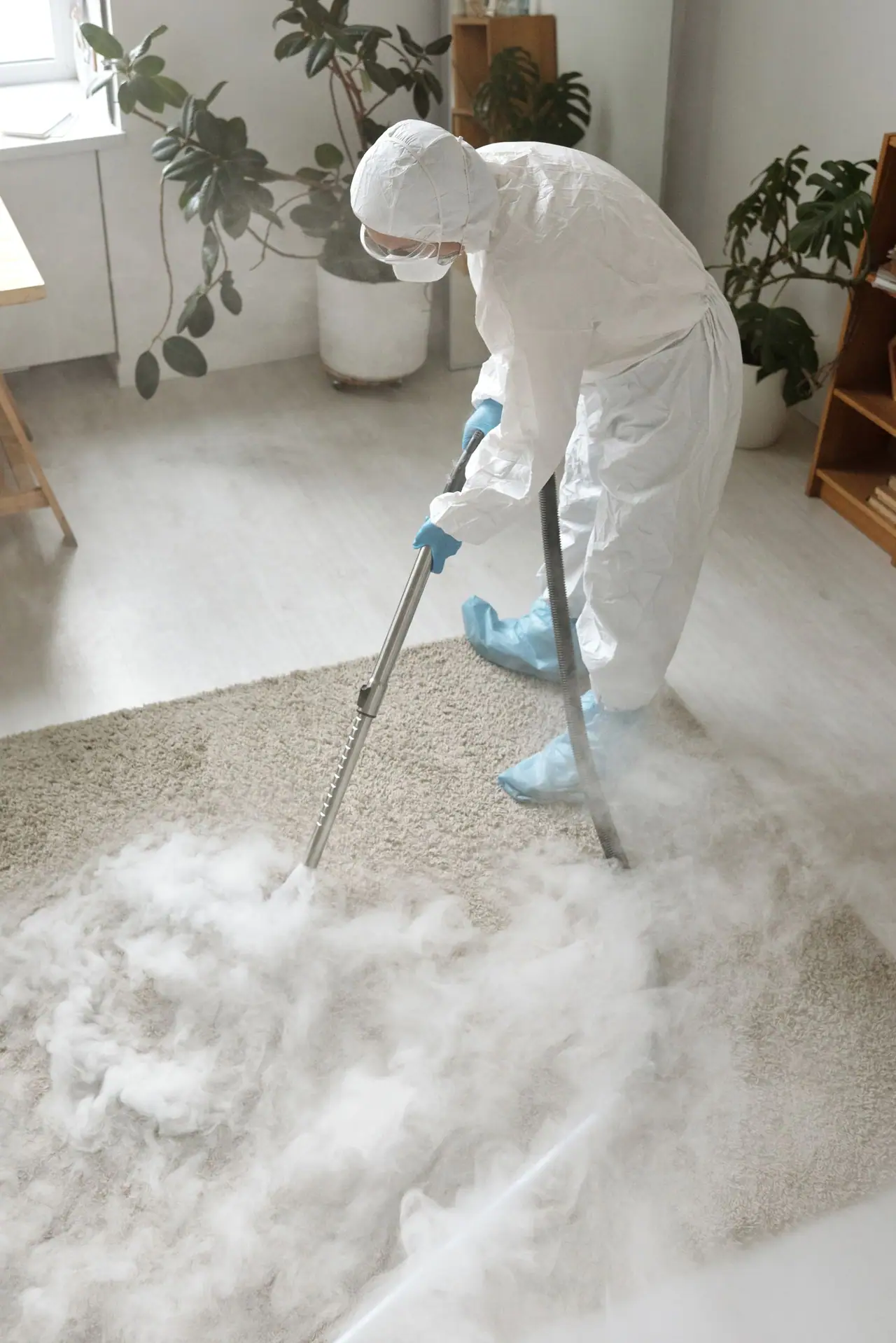
Deep cleaning removes soil from the base of the pile, not the surface. Carpet makers put that in writing, and it names one method.
Local
How Long Does Carpet Take to Dry in Seattle?
Four to eight hours for a properly run job. Seattle gets 156 wet days a year and the EPA wants damp material dry inside 24 hours.
Maintenance
How Often Should You Clean Carpet? Check Your Warranty First
Carpet makers publish a required cleaning interval and method, and missing it can void your warranty. Mohawk says 18 months. Shaw says 6 to 18.


Get a flat quote for your home
Same-week appointments across King County. Call (877) 514-6828 or send the form.
Licensed & insuredMon–Fri 7am–7pm · Sat 8am–5pm · Sun 9am–4pmRe-clean guarantee