Local
How Long Does Carpet Take to Dry in Seattle?
Four to eight hours for a properly run job. Seattle gets 156 wet days a year and the EPA wants damp material dry inside 24 hours.

A properly run hot water extraction job dries in 4 to 8 hours, or about two hours with air movers running. Low-moisture methods are walkable in under an hour. Those figures hold in Seattle, but the margin is thinner here than the numbers suggest, and it is worth understanding why before you book.
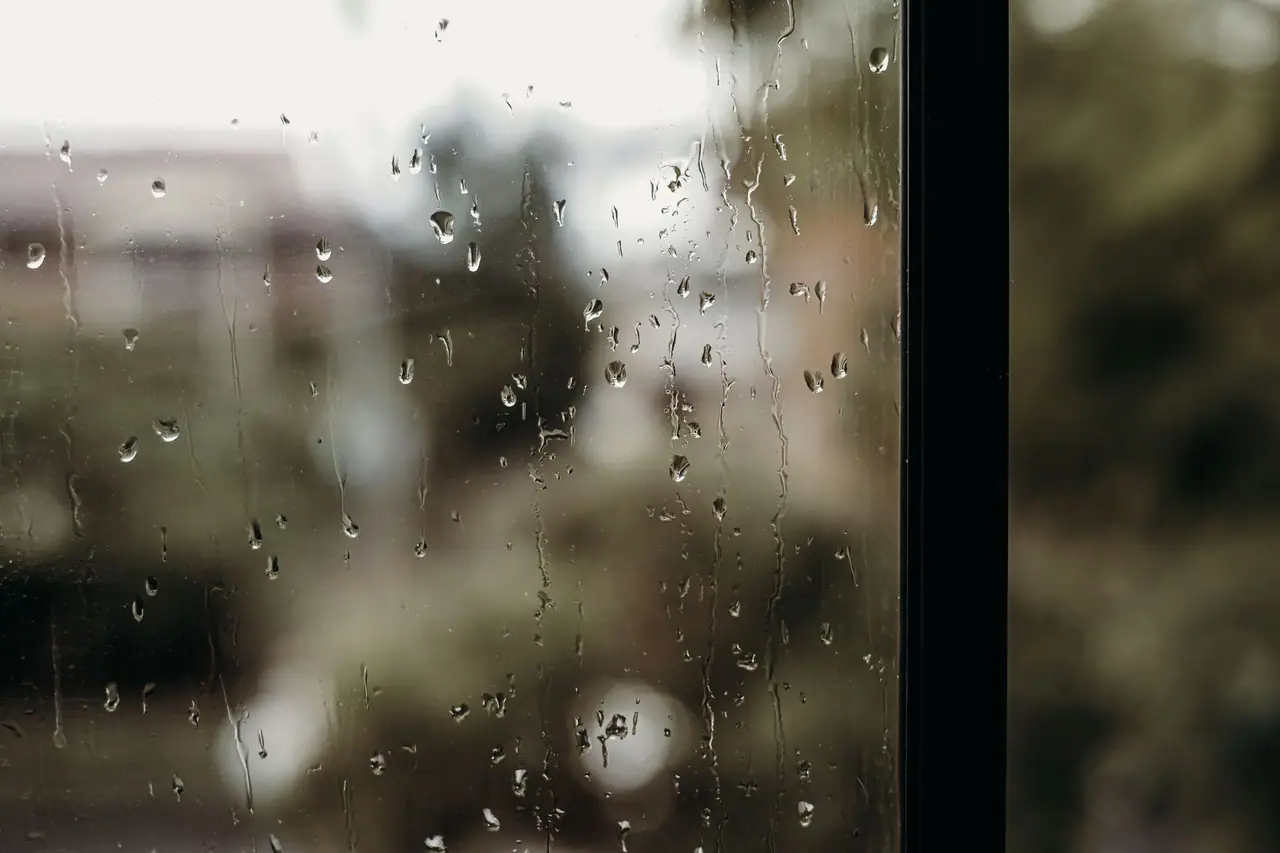
Seattle-Tacoma airport records 156.2 days a year with measurable precipitation in the NOAA 1991 to 2020 Climate Normals, against 39.34 inches of annual rainfall. The EPA advises that wet materials be dried within 24 to 48 hours because mould generally will not grow inside that window. On 43 percent of days in this city, the air outside your house is working against that deadline rather than helping it.
Why does drying matter more here than elsewhere?
Because the safety margin between "damp" and "a problem" is measured in hours, and our ambient conditions eat into it.
The 24-hour rule is not ours
It comes from federal guidance. EPA mould documentation states that in most cases mould will not grow if wet or damp items are dried within 24 to 48 hours, and specifically warns that moisture trapped below carpet can lead to mould growth and the release of spores and microbial volatile organic compounds into indoor air. The same guidance recommends keeping indoor relative humidity below 60 percent, ideally between 30 and 50 percent.
Our ambient humidity sits on the wrong side of that
Through the October to May damp season, indoor relative humidity in a Puget Sound home without active dehumidification frequently sits above the EPA's 60 percent ceiling on its own, before anyone puts water into a carpet. A job that would dry uneventfully in Denver has less headroom here.
Carpet is also named directly in the EPA's indoor air quality guidance, which pairs regular vacuuming with periodic wet extraction as the two halves of keeping it from becoming an air quality problem. Wet extraction done badly converts a maintenance step into a moisture event.
Modern building envelopes make it worse, not better
Homes built or retrofitted to current energy code are sealed tightly. That is good for heating bills and bad for moisture, because the natural air exchange that used to carry water vapour out of a house has been deliberately reduced. Older Ballard and Wallingford housing stock leaks and dries faster. A 2015 Issaquah Highlands build does not.
156.2 wet days a year against a 24-hour drying deadline. Seattle-Tacoma airport averages 156.2 days with 0.01 inches of precipitation or more, and 93.4 days with 0.10 inches or more, in the NOAA 1991 to 2020 normals. The EPA's guidance is to dry damp material within 24 to 48 hours. Method: NOAA NCEI climate normals for station USW00024233 read 10 August 2026, alongside published EPA mould guidance.
What actually controls how fast carpet dries?
Four variables. Only one of them is the weather.
Vacuum lift, which is the company's choice
Most of the water leaves on the dry stroke, not by evaporation. A truck-mounted unit keeps the vacuum in the van and pulls far harder than a portable machine can. The difference is not marginal. It is the reason two companies can use the same method and leave your carpet in noticeably different states.
The industry measures this. The CRI Seal of Approval programme scores deep-cleaning extractors on residual water removal as one of its three test criteria, alongside soil removal and texture retention. A machine can clean well and still leave too much water behind.
Airflow across the pile, which is free
Moving air over damp carpet does more than heat does. Air movers pointed low across the surface cut drying roughly in half. Running the furnace fan on circulate helps. Closing the room and leaving does not.
What is underneath the carpet
Carpet over a ventilated joist floor dries from both sides. Carpet laid directly on a concrete slab dries from one side only, and slab-laid carpet is common in remodelled Kirkland and Renton bungalows. We plan lower moisture and default air movers on those jobs.
How much water went down in the first place
A technician making six slow wet passes because the carpet is heavily soiled has put a lot of water in. The correct response is more dry strokes and air movers, not hoping for the best. ANSI/IICRC S100, the national standard for cleaning textile floor coverings, is written around performance outcomes rather than a single prescribed method, and drying is one of the outcomes it covers. A technician working to that standard is accountable for the state the carpet is in when they leave, not just for the pass they made.
How do we handle it on a Seattle job?
The short version: drying is quoted as part of the work rather than left to chance.
Dry strokes are counted, not eyeballed. The final passes on each section run with the solution off and the vacuum on. This is the cheapest drying improvement available and the easiest to skip when a crew is behind schedule.
Air movers go down where conditions call for them. On the Green River valley floor through Auburn, Kent, and Tukwila, cold air pools overnight and fog holds into the morning through winter. Those addresses get air movers as standard in the damp season rather than as an add-on.
Slab-laid carpet gets a lower-moisture approach. Same method, less water, more recovery passes.
We tell you what to do after we leave. Fan on circulate, interior doors open, pets off the carpet, no shoes until dry. It sounds trivial and it changes the outcome by hours.
If your last cleaning left the carpet damp overnight or produced a musty smell afterwards, that is a drying failure rather than a cleaning failure, and repeating the same job will reproduce it. Tell us that history when you book and we will plan moisture and airflow around it. Call (877) 514-6828 or see our carpet cleaning service.
Does drying time vary across King County?
More than people expect, and it follows terrain rather than distance.
| Area | Drying condition | What we change |
|---|---|---|
| Green River valley floor: Auburn, Kent, Tukwila | Cold air pools, winter fog holds past sunrise, humidity often above 85 percent | Air movers standard in the damp season |
| Plateau: Covington, Issaquah Highlands | Better airflow, tightly sealed newer homes | Low-VOC line, interior doors opened |
| Lakeside: Kirkland, Mercer Island, Medina | Lake-effect humidity, morning condensation on glass | Lower moisture, longer dry-stroke sequence |
| Puget Sound frontage: Federal Way, Redondo | Salt aerosol keeps surfaces slightly hygroscopic | Extra recovery passes |
| Central and north Seattle | Older, leakier housing stock dries faster | Standard sequence |
None of this is exotic. It is the difference between a crew that runs one recipe across the county and one that adjusts for where it is standing. Coverage by city is on our areas we serve page.

What you can do to speed it up
Five things, in order of how much difference they make.
- Ask for air movers. Roughly halves the time. Cheapest intervention available.
- Run the furnace or HVAC fan on circulate. Continuous air movement beats a burst of heat.
- Open interior doors, not exterior ones. During the damp season, outside air often adds moisture rather than removing it.
- Run a dehumidifier if you own one. Pulls water out of the room air so the carpet can keep releasing it.
- Keep traffic off until dry. Shoes on damp carpet push soil straight back into an open pile.
Do the first two and a normal job in a normal Seattle house is dry before dinner.
Book a job that accounts for the weather
You now know the real target, 4 to 8 hours, the deadline that sits behind it, 24 hours per EPA guidance, and the local conditions that squeeze the gap. The first step takes a minute: check whether your carpet sits over a slab or a ventilated floor, because that single fact changes how a competent technician will approach the job.
Call (877) 514-6828 and tell us your address, your flooring, and when you need the room back. We will tell you the honest dry time before you book, not after. See carpet cleaning in Seattle, or read what deep cleaning involves if you want the method detail first.
About this article
Written by Seattle Carpet Cleaning Services, iicrc-certified technical team, and reviewed against the primary sources linked throughout. Published August 7, 2026. If you spot something that has changed, tell us at [email protected] and we will correct it.
Answers before you book
Frequently asked questions
The questions readers send us most often on this topic.
How long should carpet take to dry after professional cleaning?
Can I walk on the carpet before it is dry?
Why is my carpet still wet the day after cleaning?
Does opening windows help carpet dry faster in Seattle?
Is it bad if carpet stays wet too long?
Do air movers cost extra?
Does carpet dry faster in summer here?
- Licensed & InsuredWA state licensed and fully bonded
- 100% Satisfaction GuaranteeWe re-clean free or you don't pay
- IICRC-Certified TechniciansTrained to industry standard S100
- Pet & Kid Safe SolutionsGreen-Seal certified, low-residue
- Same-Week AppointmentsMost King County jobs within 72 hours
- Upfront Flat PricingQuoted before we unroll a hose
Certified & Accredited
- IICRC
- BBB A+
- CRI
- Chamber
- L&I
Keep reading
Methods
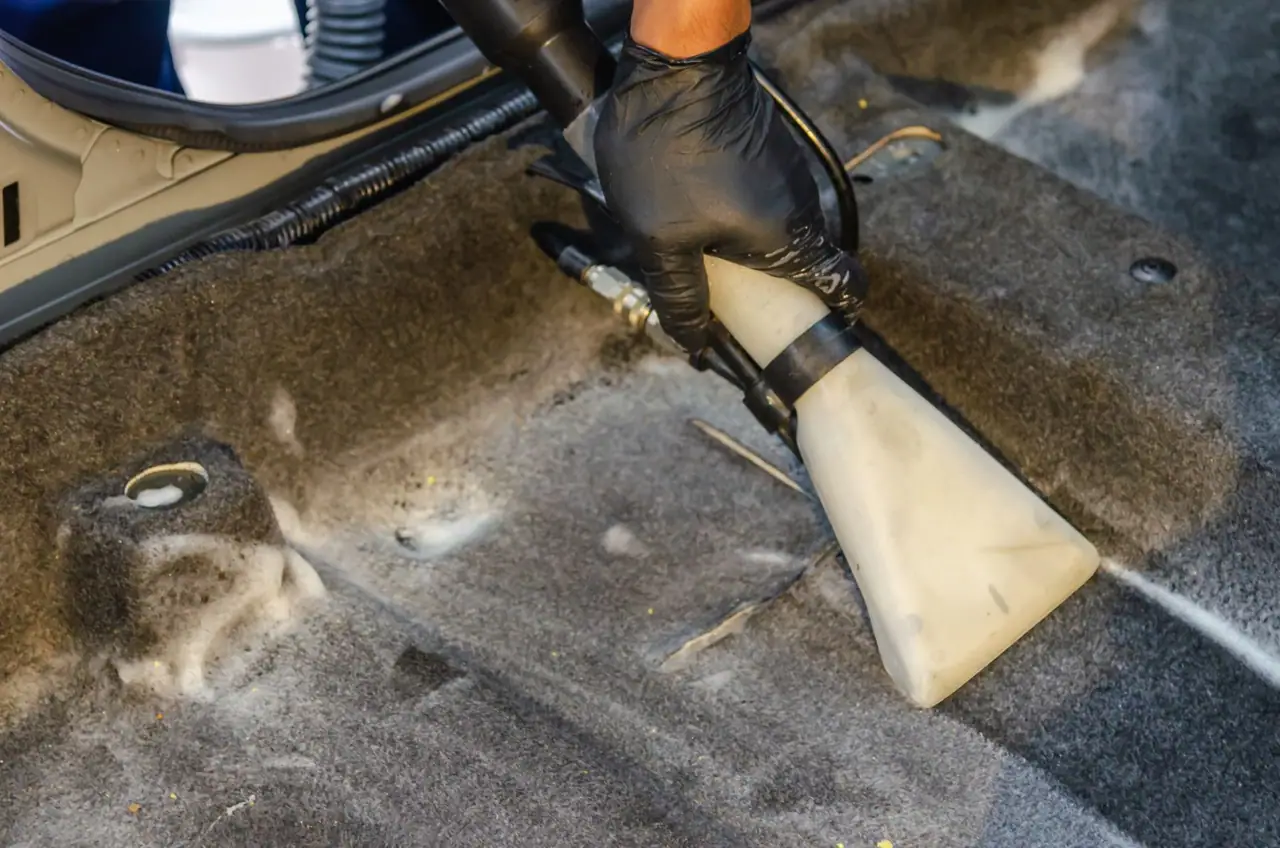
Hot Water Extraction vs Steam Cleaning vs Shampooing
Steam cleaning and hot water extraction are two names for one method. Shampooing is not. What each does, and which one your warranty names.
Methods
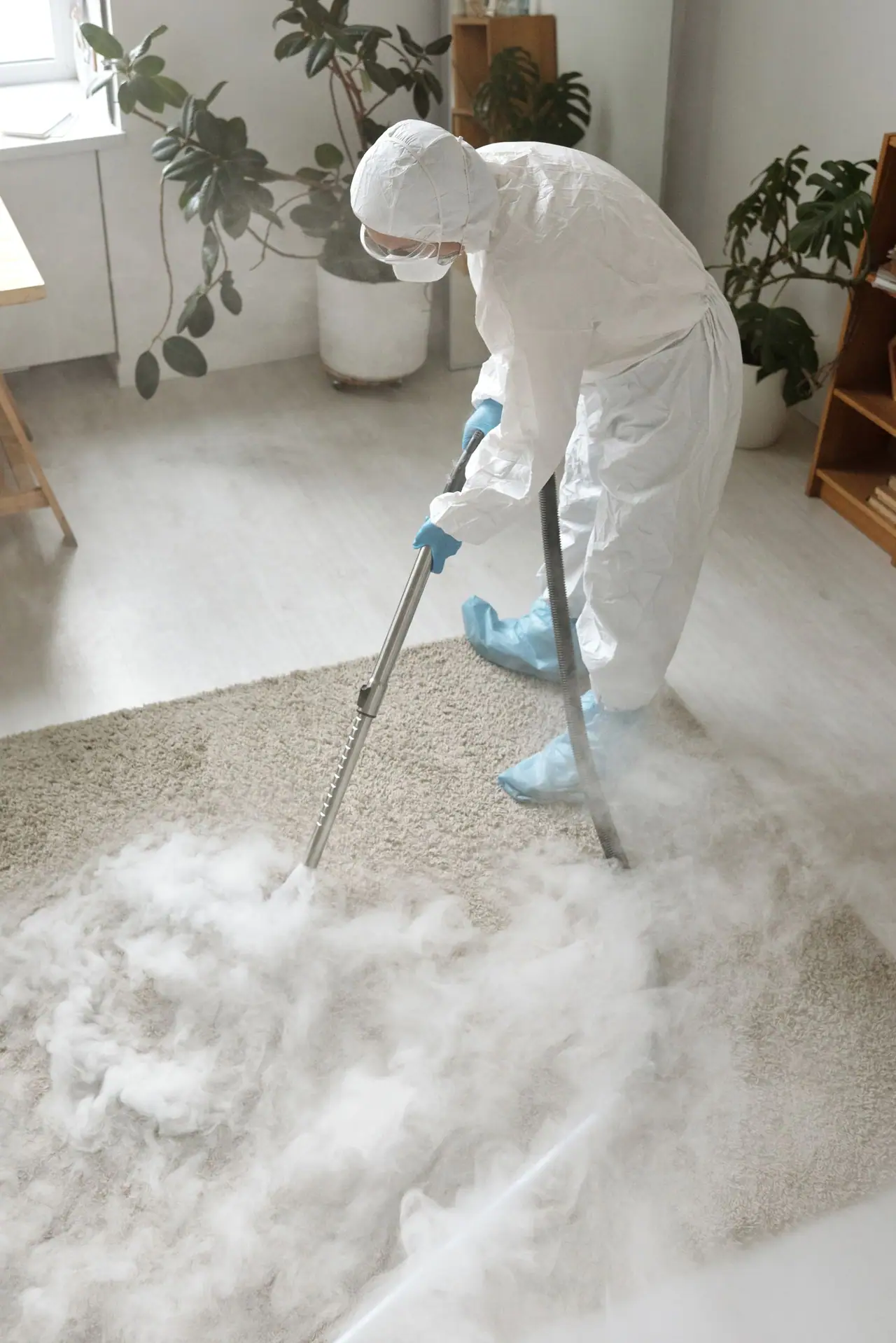
Deep Carpet Cleaning: What It Actually Means
Deep cleaning removes soil from the base of the pile, not the surface. Carpet makers put that in writing, and it names one method.
Stains
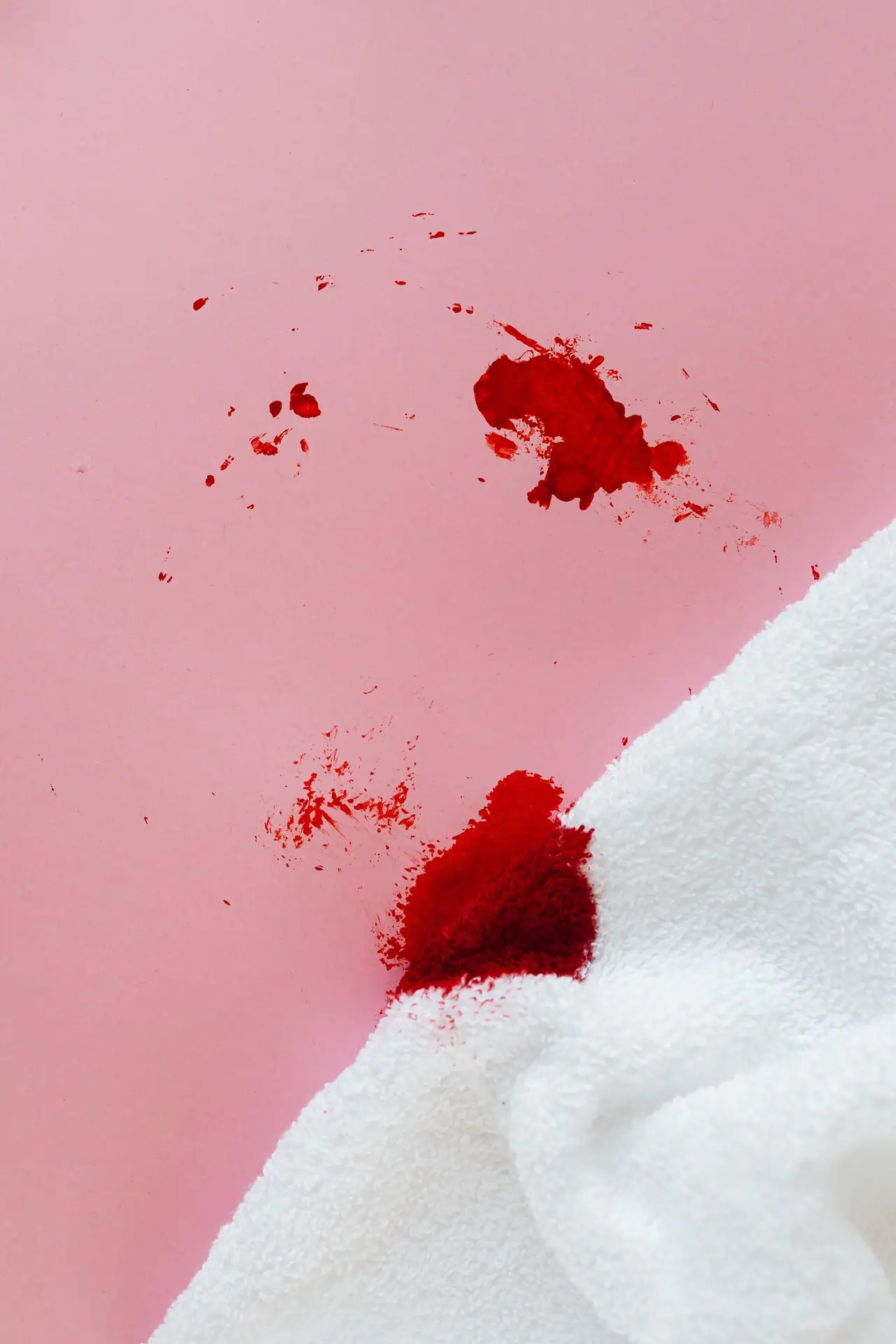
Carpet Stain Removal: What Comes Out and What Never Will
Some spills coat the fibre and lift out. Some dye it and are permanent. Knowing which you have in the first ten minutes matters more than any product.


Get a flat quote for your home
Same-week appointments across King County. Call (877) 514-6828 or send the form.
Licensed & insuredMon–Fri 7am–7pm · Sat 8am–5pm · Sun 9am–4pmRe-clean guarantee